A hybrid product-service ecosystem for youth employment guidance in Milan
#Product Design #Service Design #Public Service Innovation
Role:Product Designer / Service Designer Timeline: Master’s Thesis, 2026 Context: Youth unemployment, NEETs, employment guidance services Output: Digital platform, Career Spots, service ecosystem, user journeys, stakeholder map, prototype
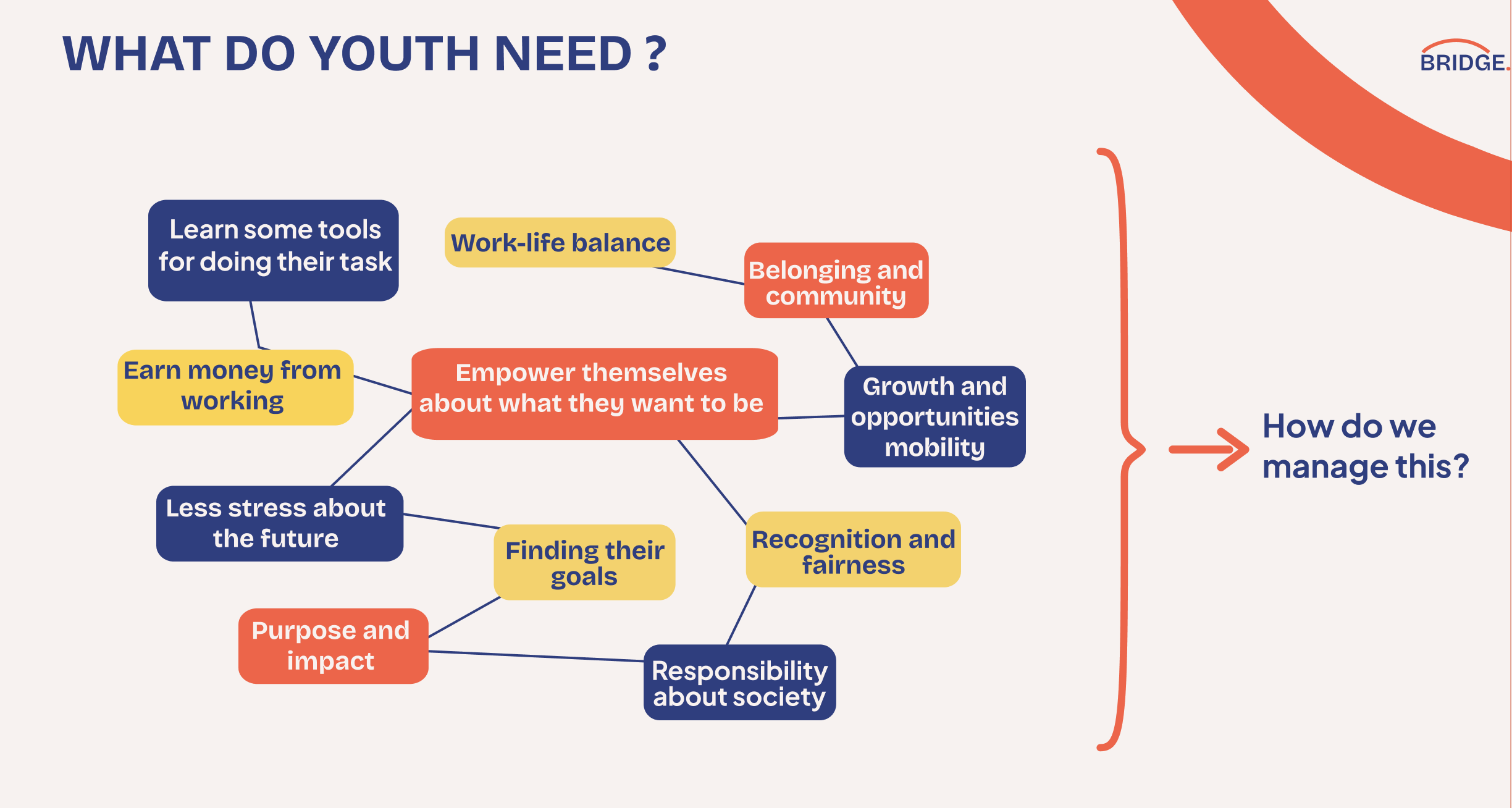
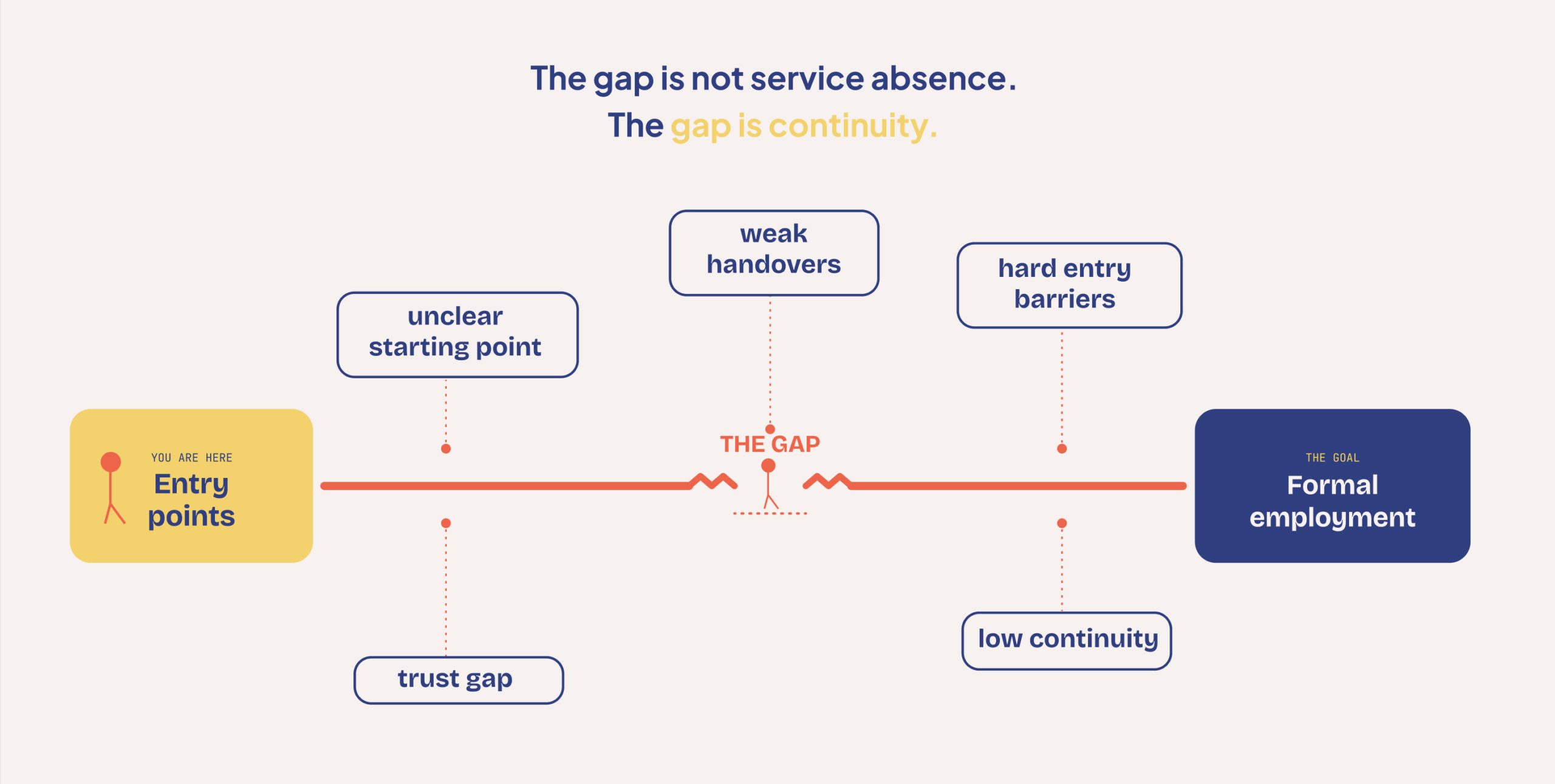
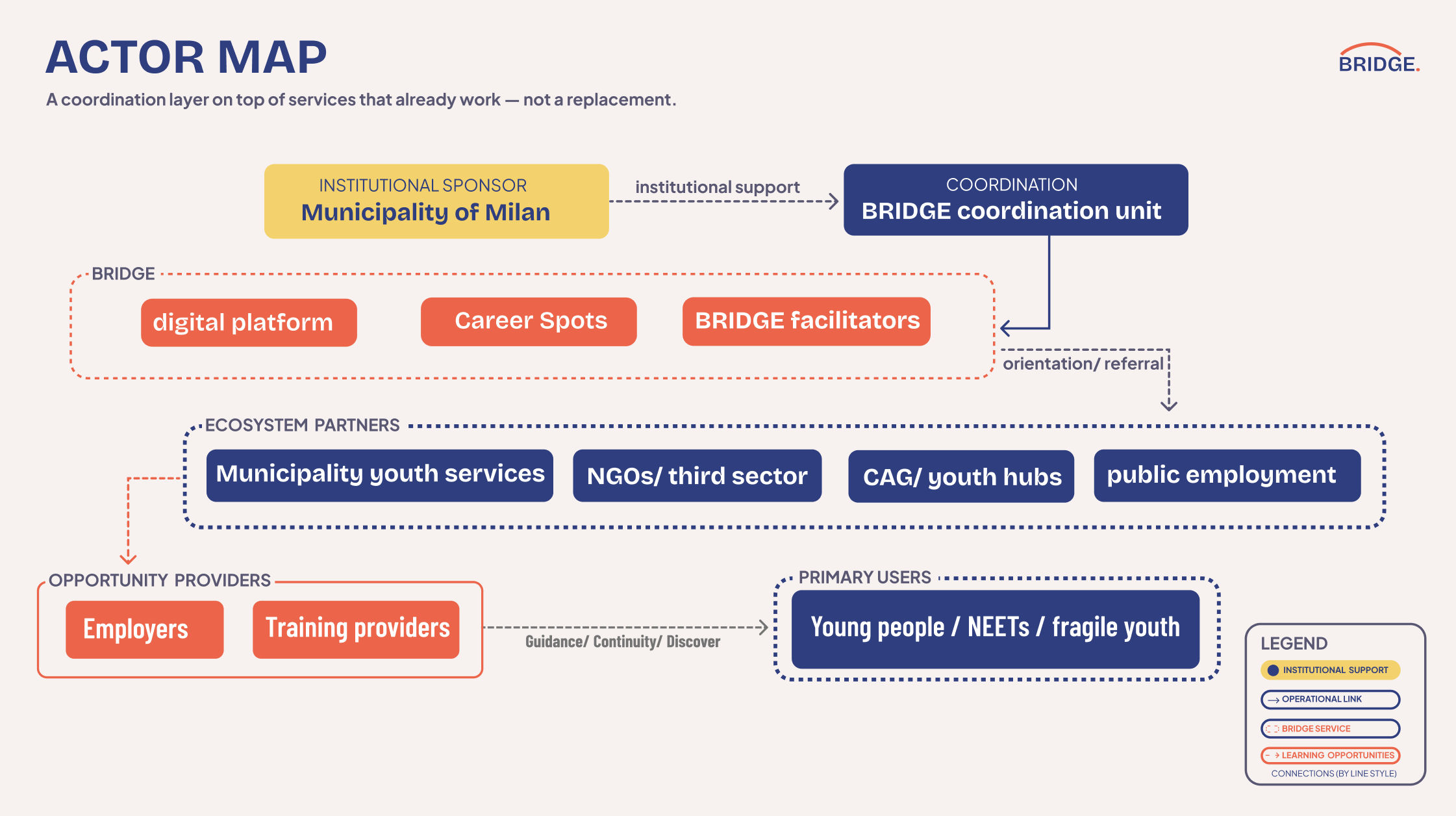
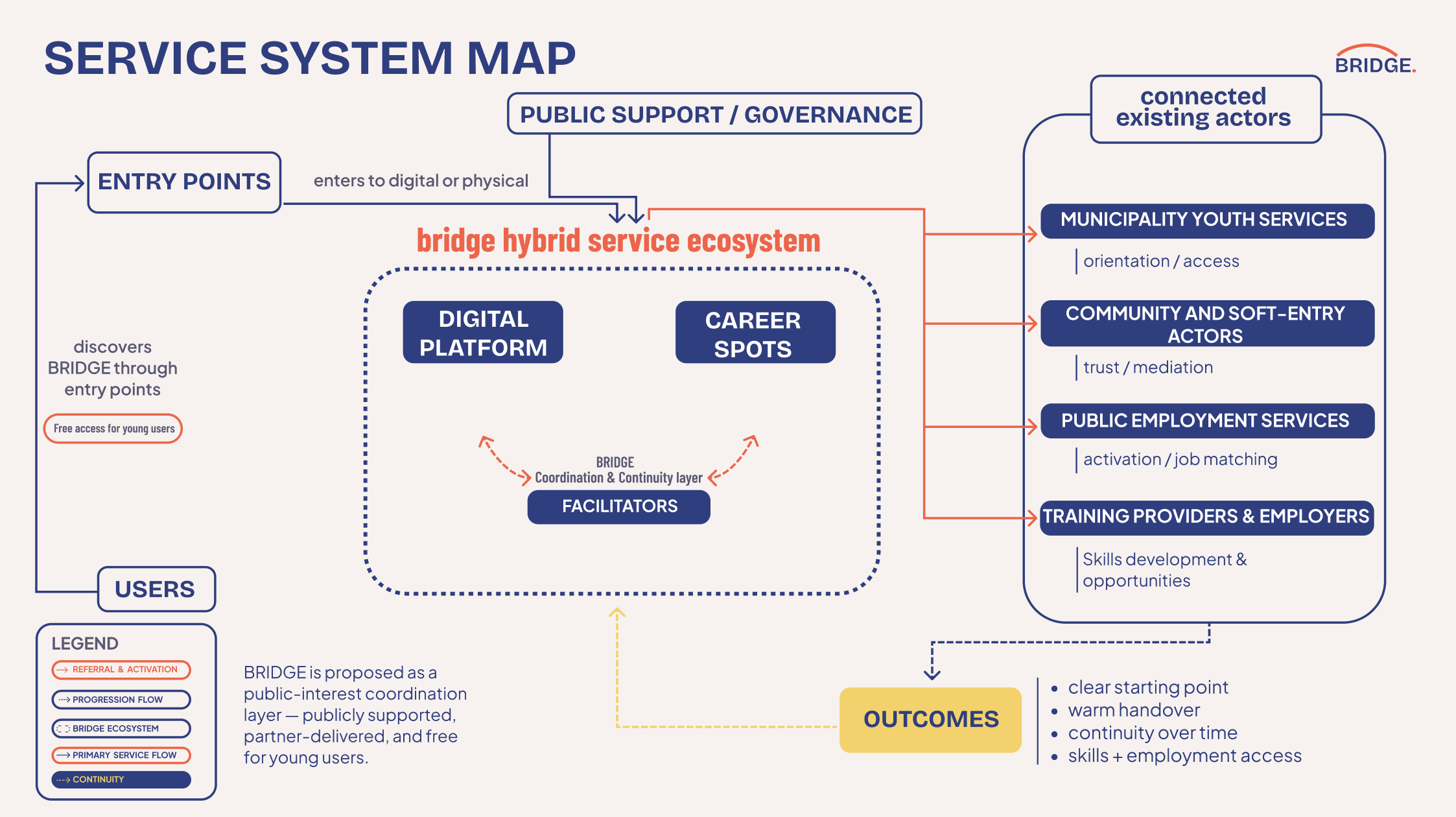
Problem:Youth unemployment and NEET rates remain a major challenge in Italy. In Milan, young people can access different employment, education, and support services, but the ecosystem is fragmented. Many users do not know where to start, how to move from guidance to action, or how to stay connected after the first contact.
Challenge / Design question
How might we connect digital guidance, physical support spaces, and local opportunities into one continuous pathway for young people entering the labour market?
Research insight section
Insight 1 — Services exist, but access is unclear
Young people face many separate services, platforms, and institutions, but no clear entry point.
Insight 2 — Guidance often stops too early
Users may receive information, but continuity, follow-up, and practical next steps are weak.
Insight 3 — Trust matters
Physical spaces and human support are important, especially for young people with low confidence or fragile employment paths.
Insight 4 — Skills need proof
Young people need ways to build and show skills through practical experiences, not only formal education.
The solution: BRIDGE
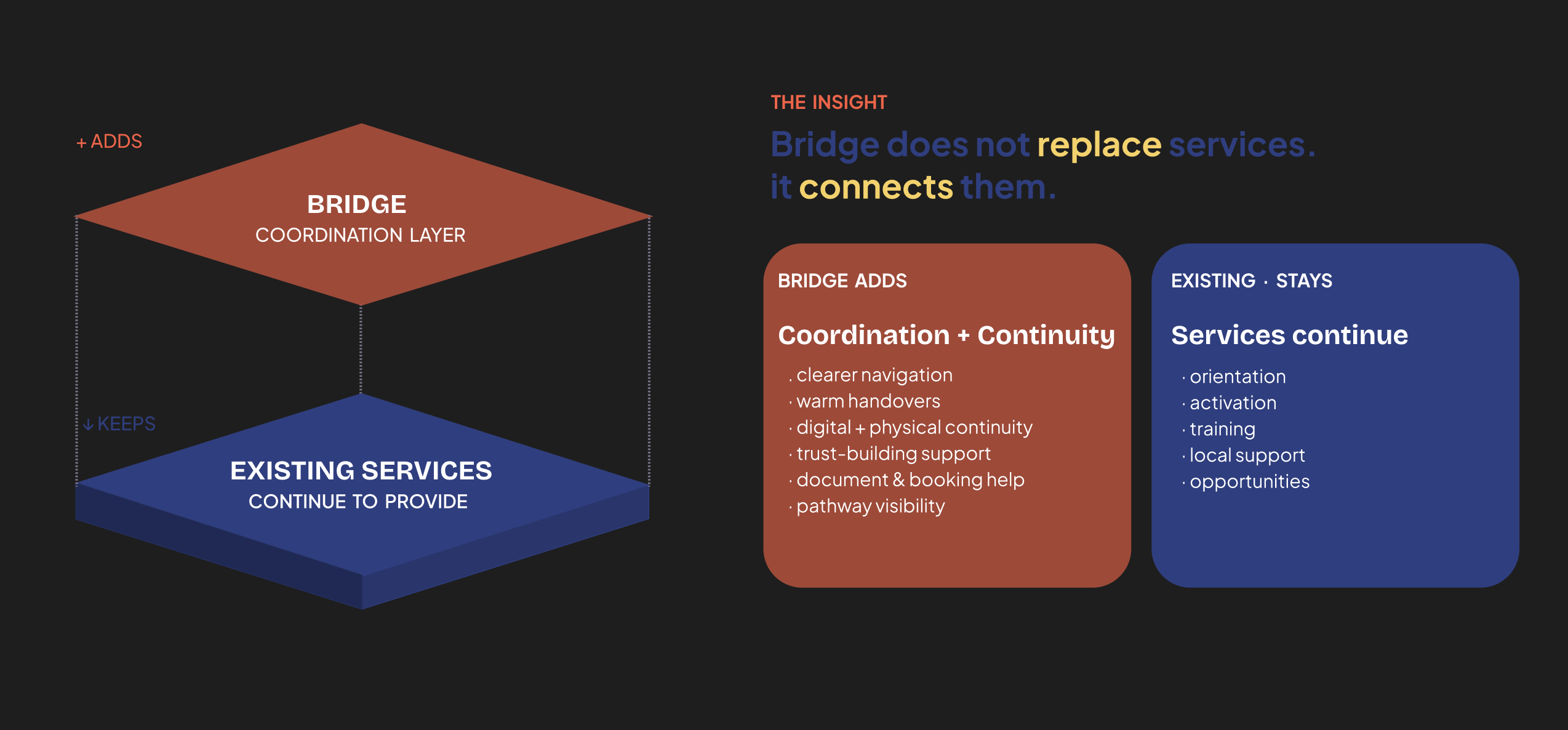
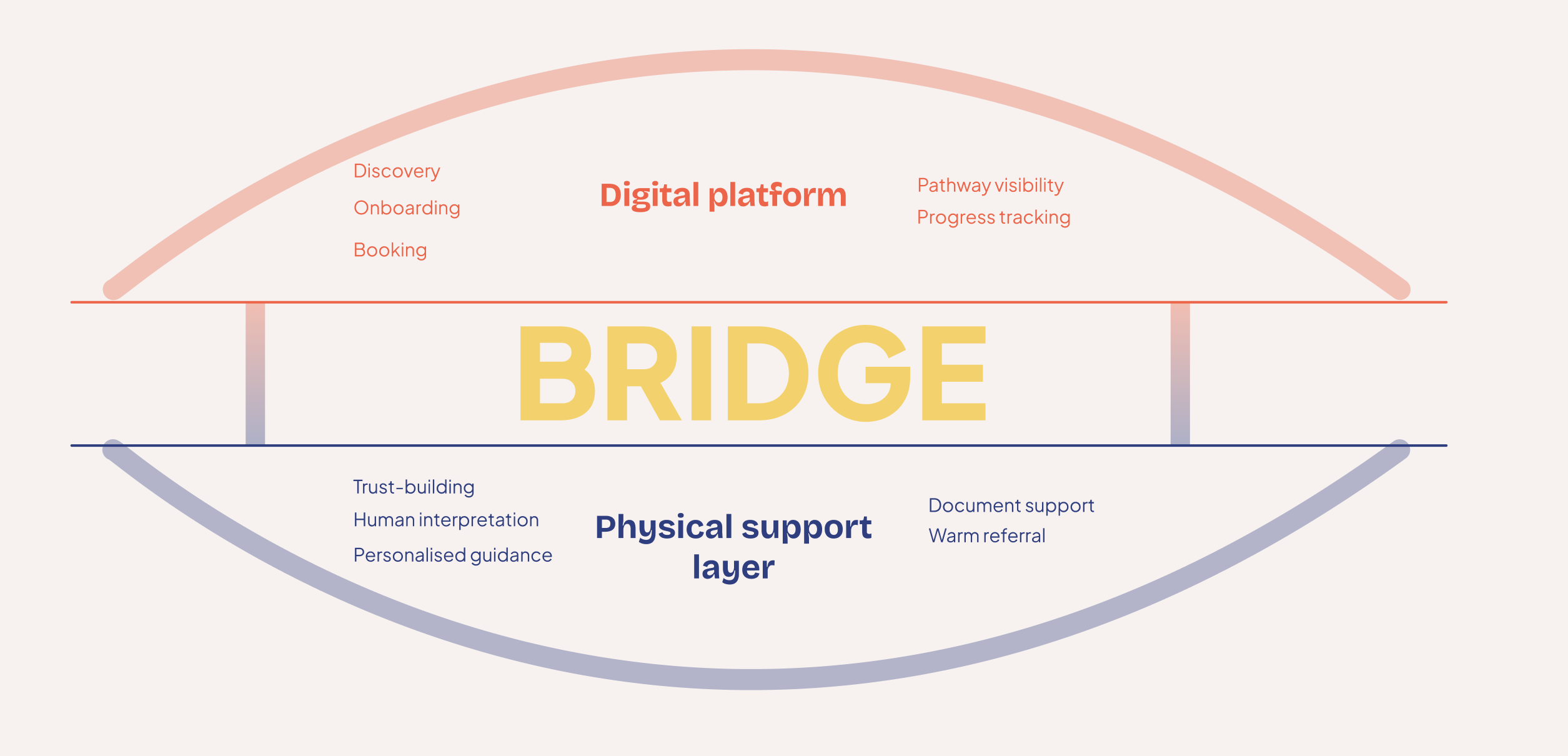
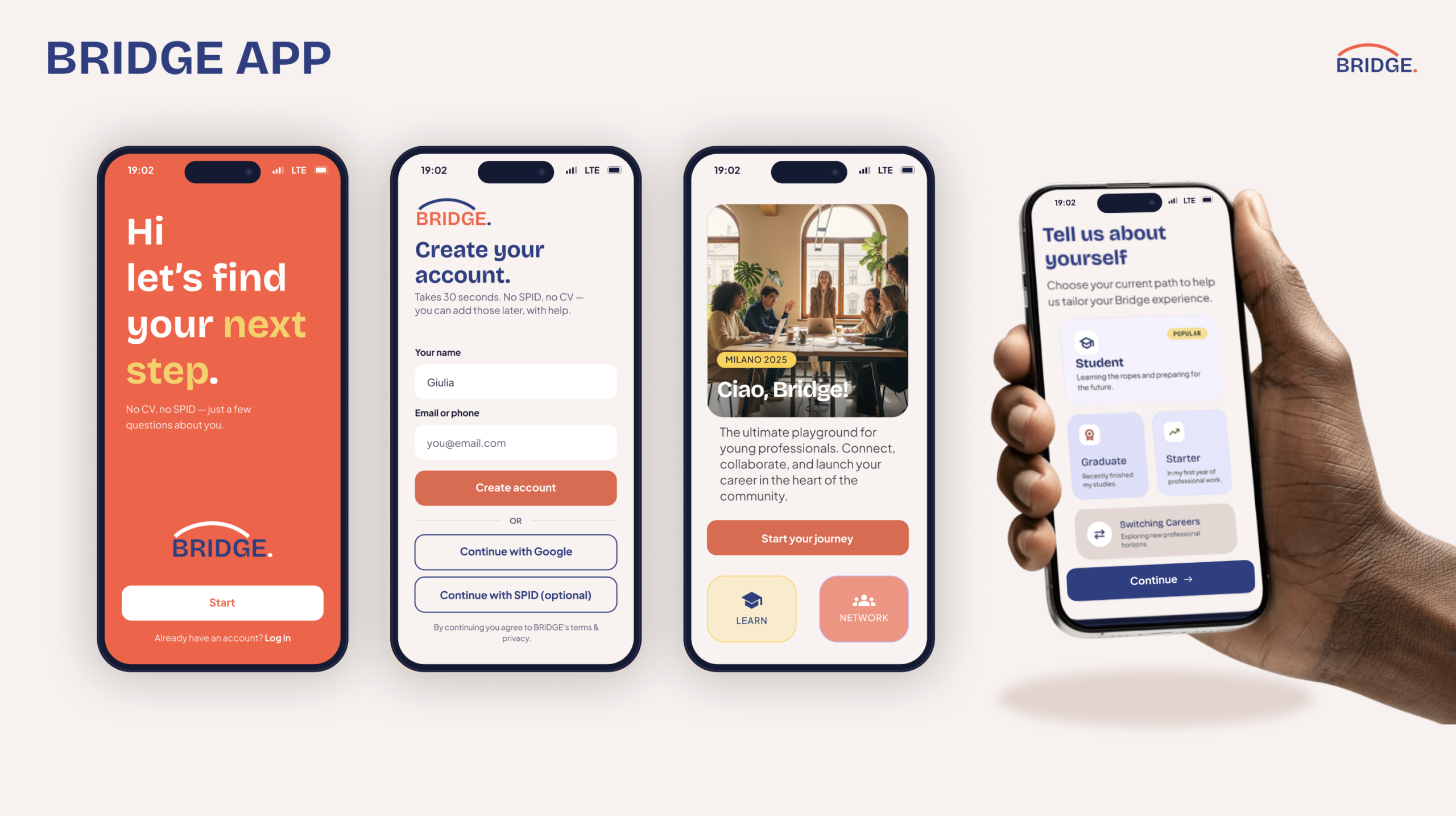
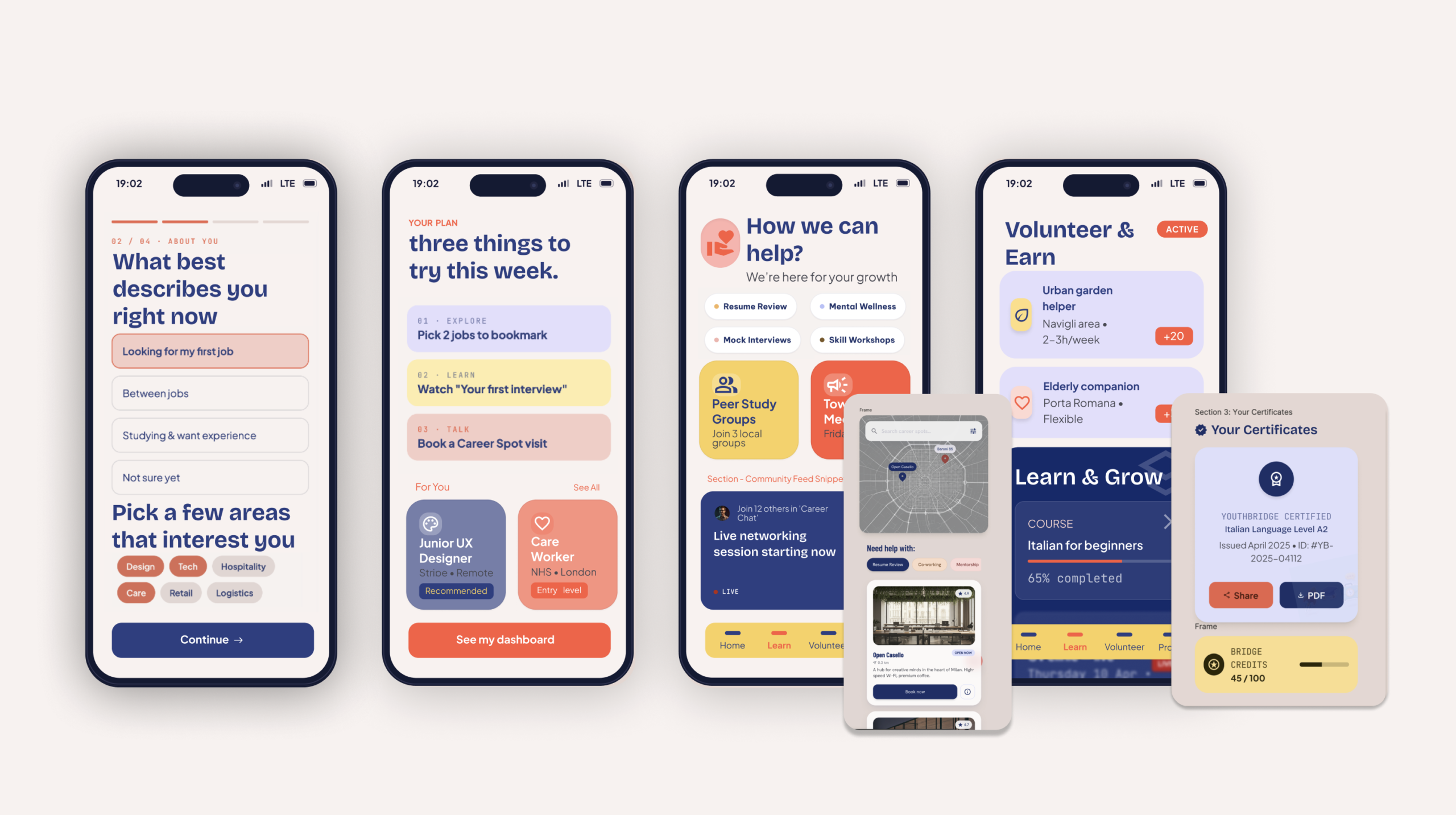
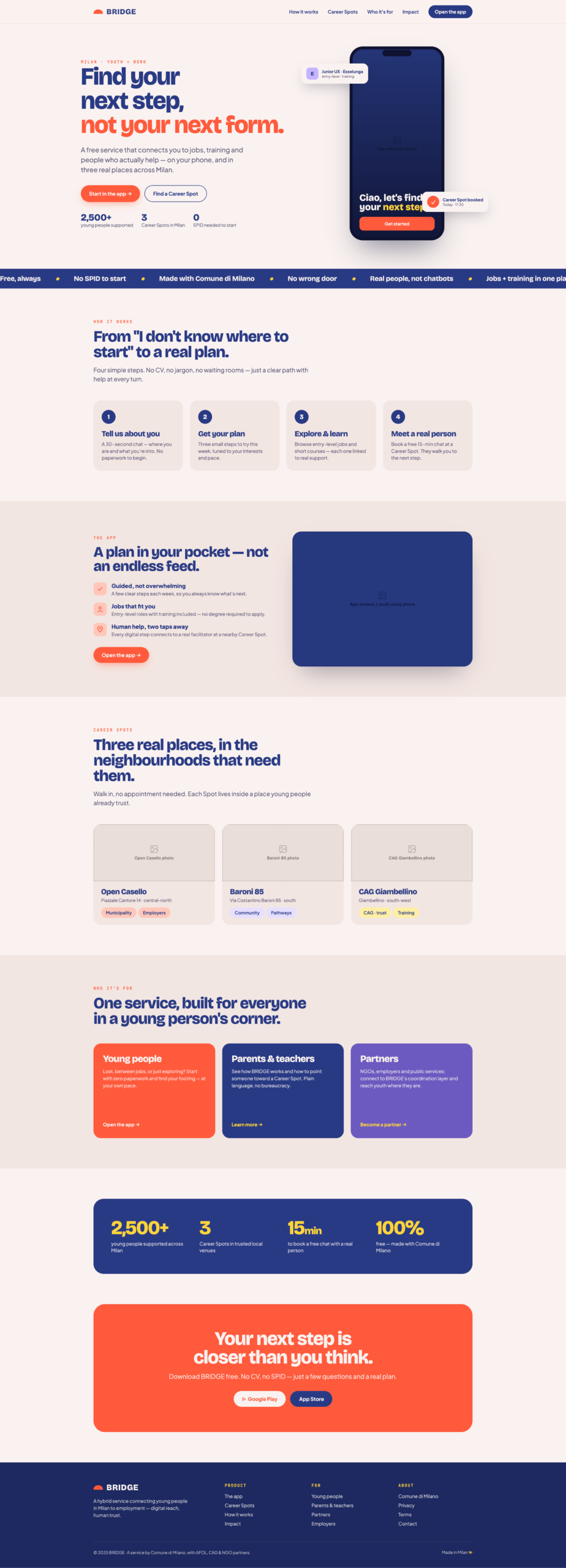
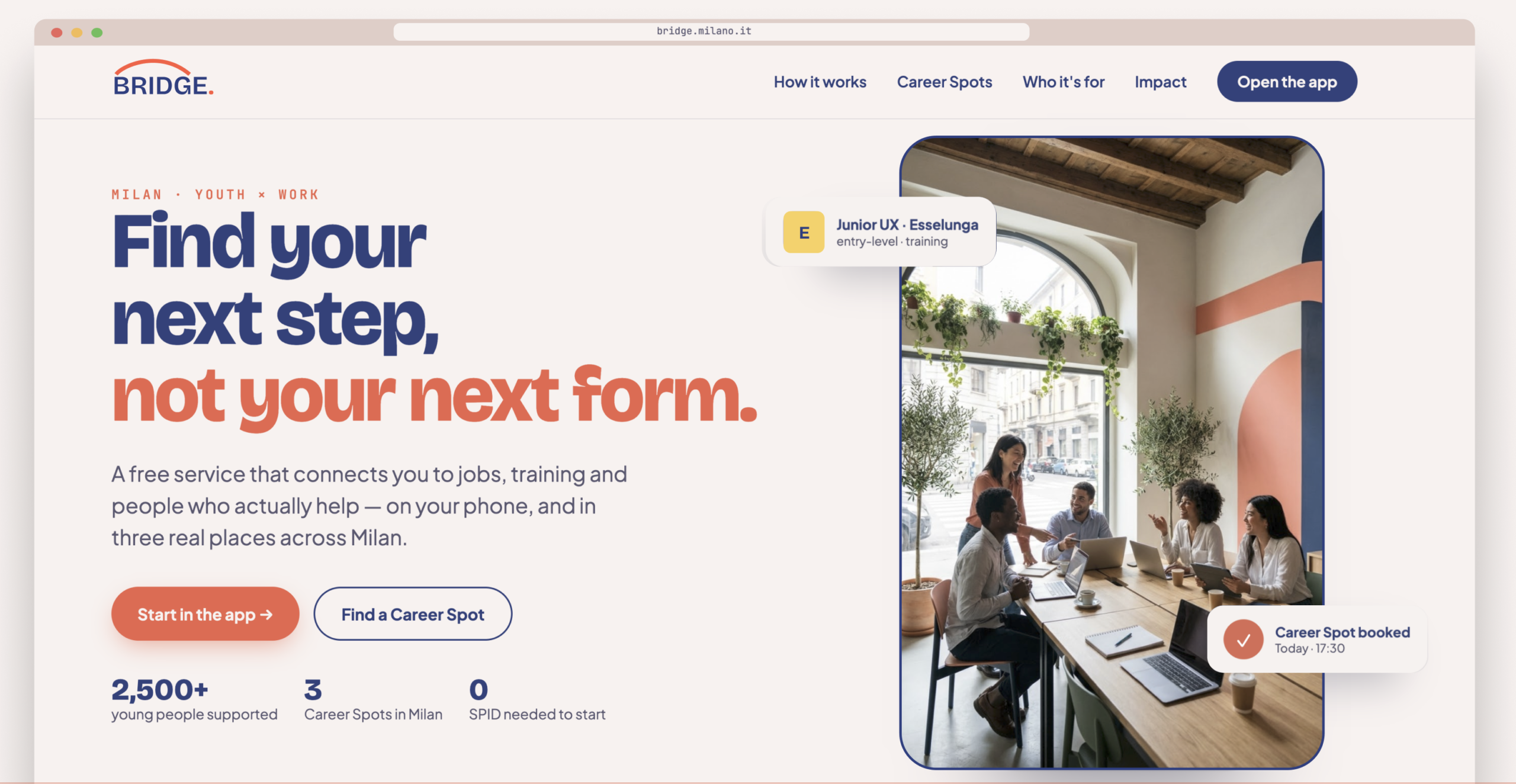
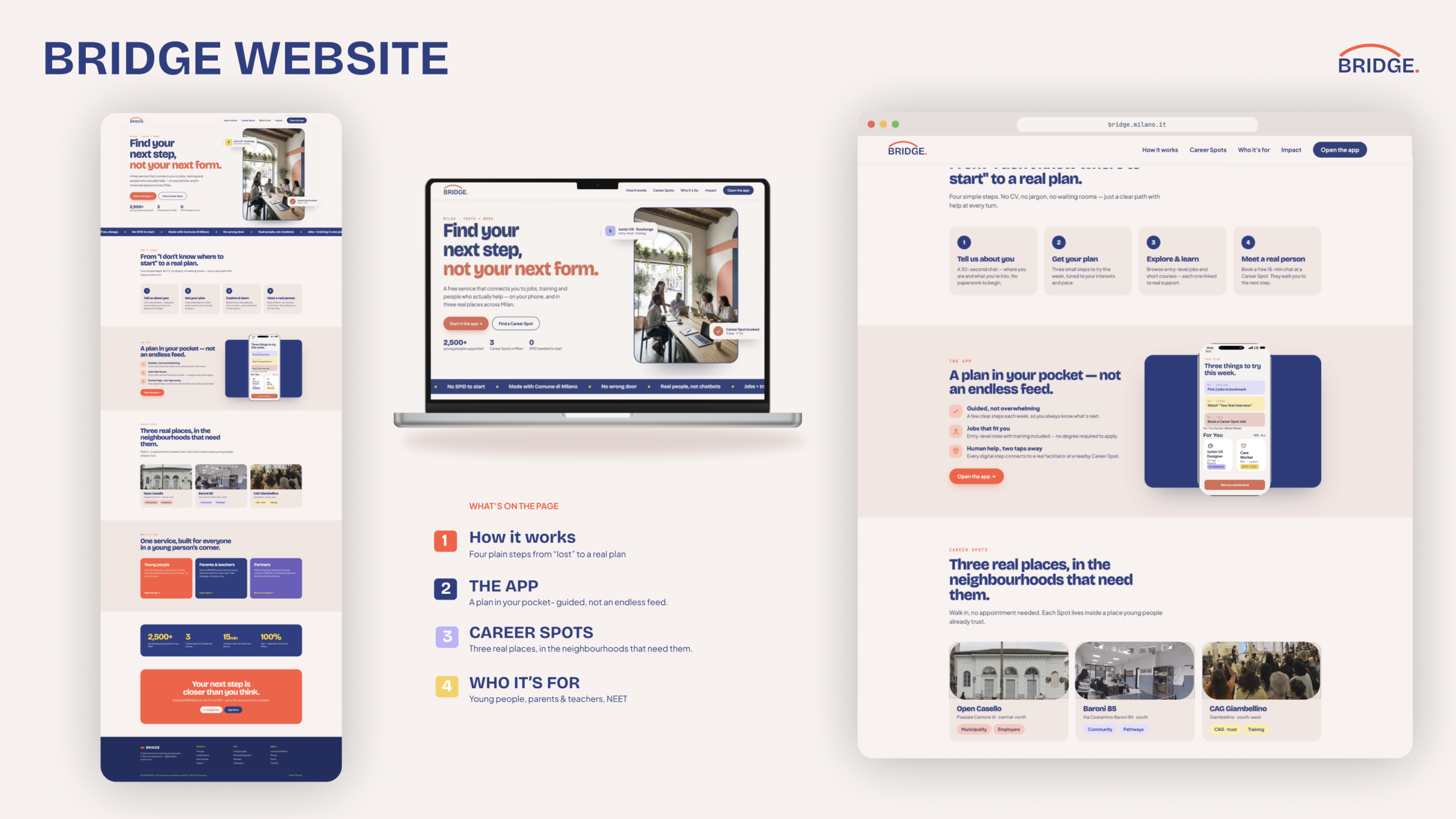
BRIDGE is a hybrid employment guidance ecosystem that combines a digital platform with physical Career Spots across Milan. The platform helps young people discover pathways, track progress, access micro-credentials, and connect with opportunities. Career Spots provide human support, workshops, networking moments, and local guidance.
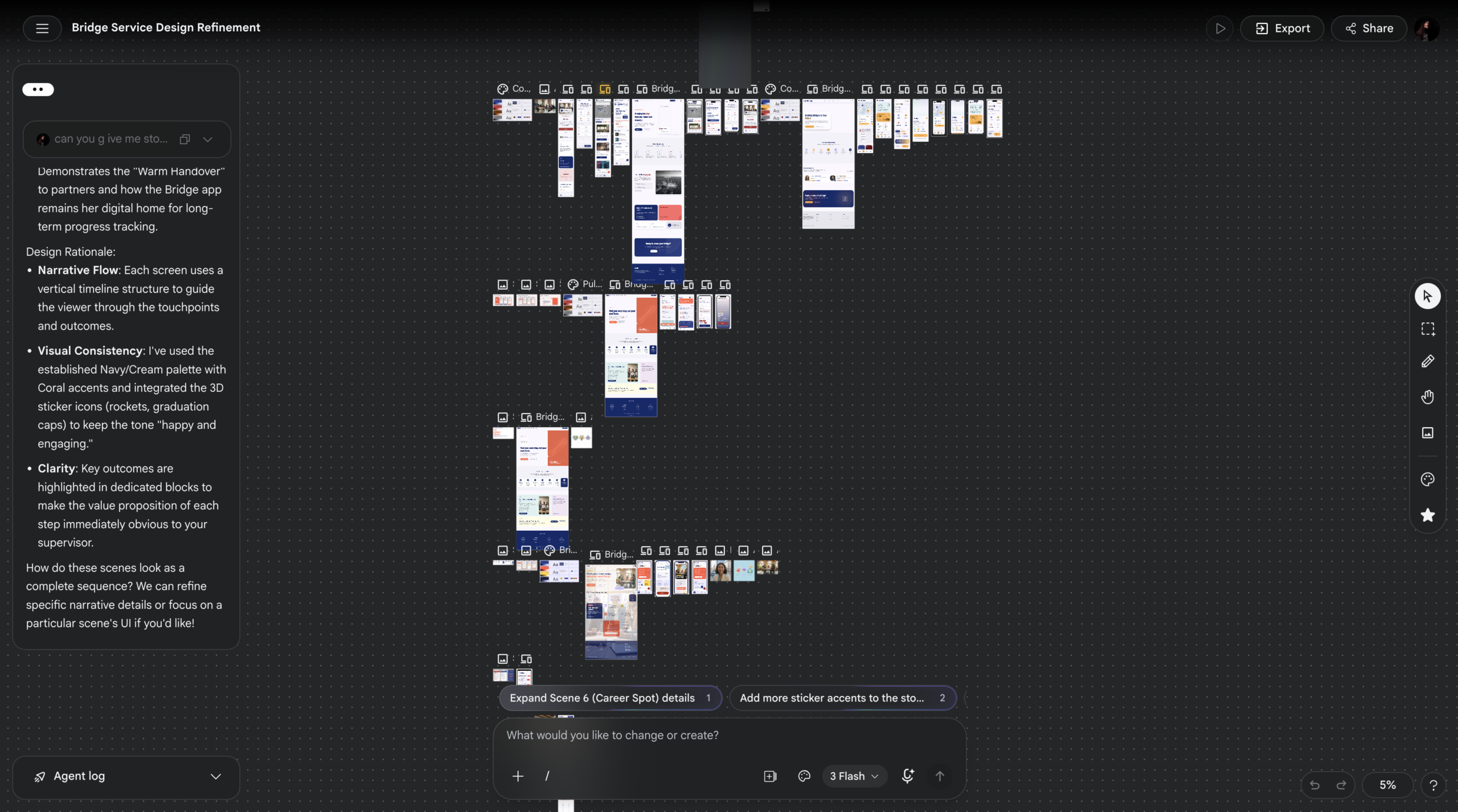
Using Stitch and Cloude AI for designing mobile frame and website ideas
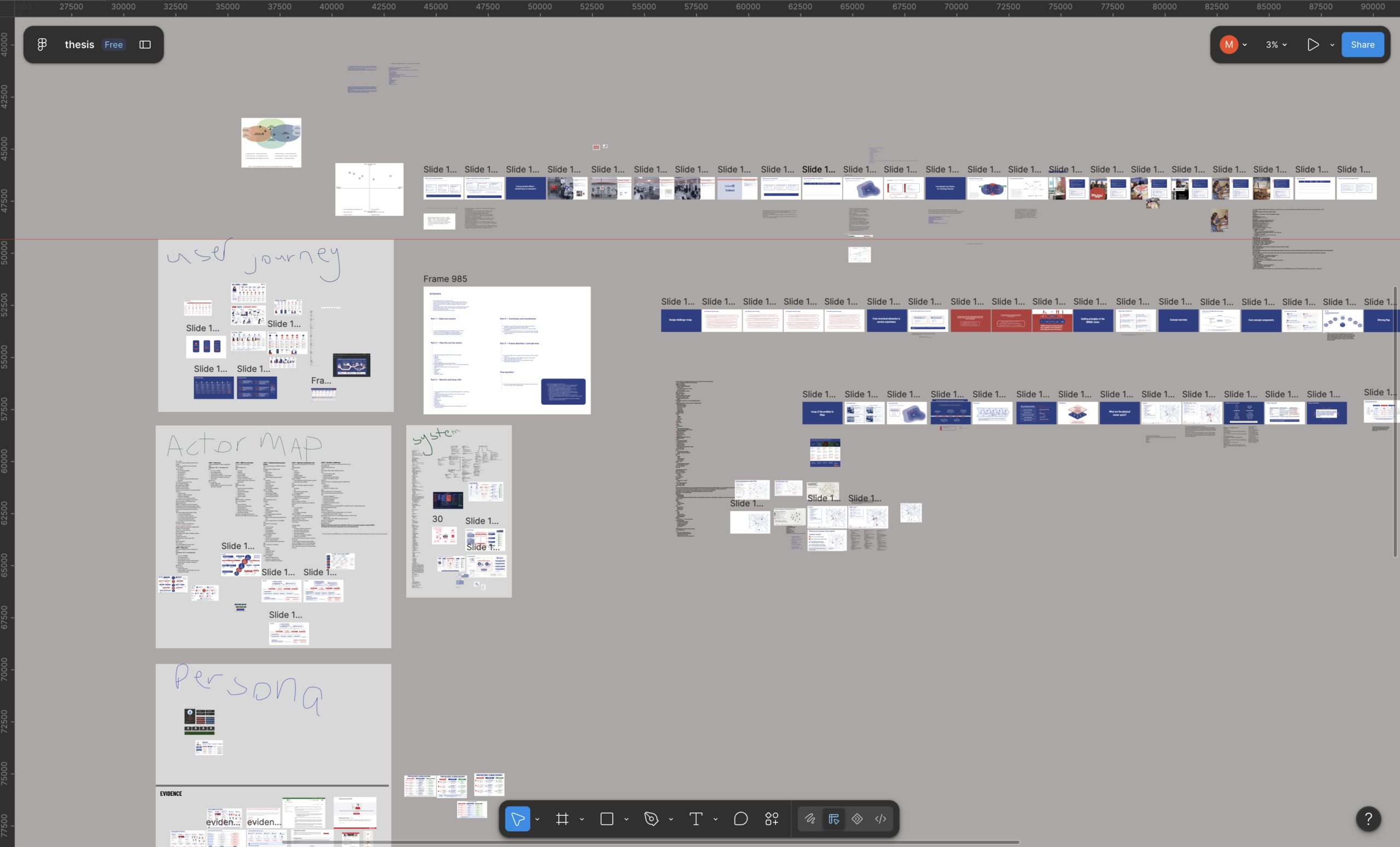
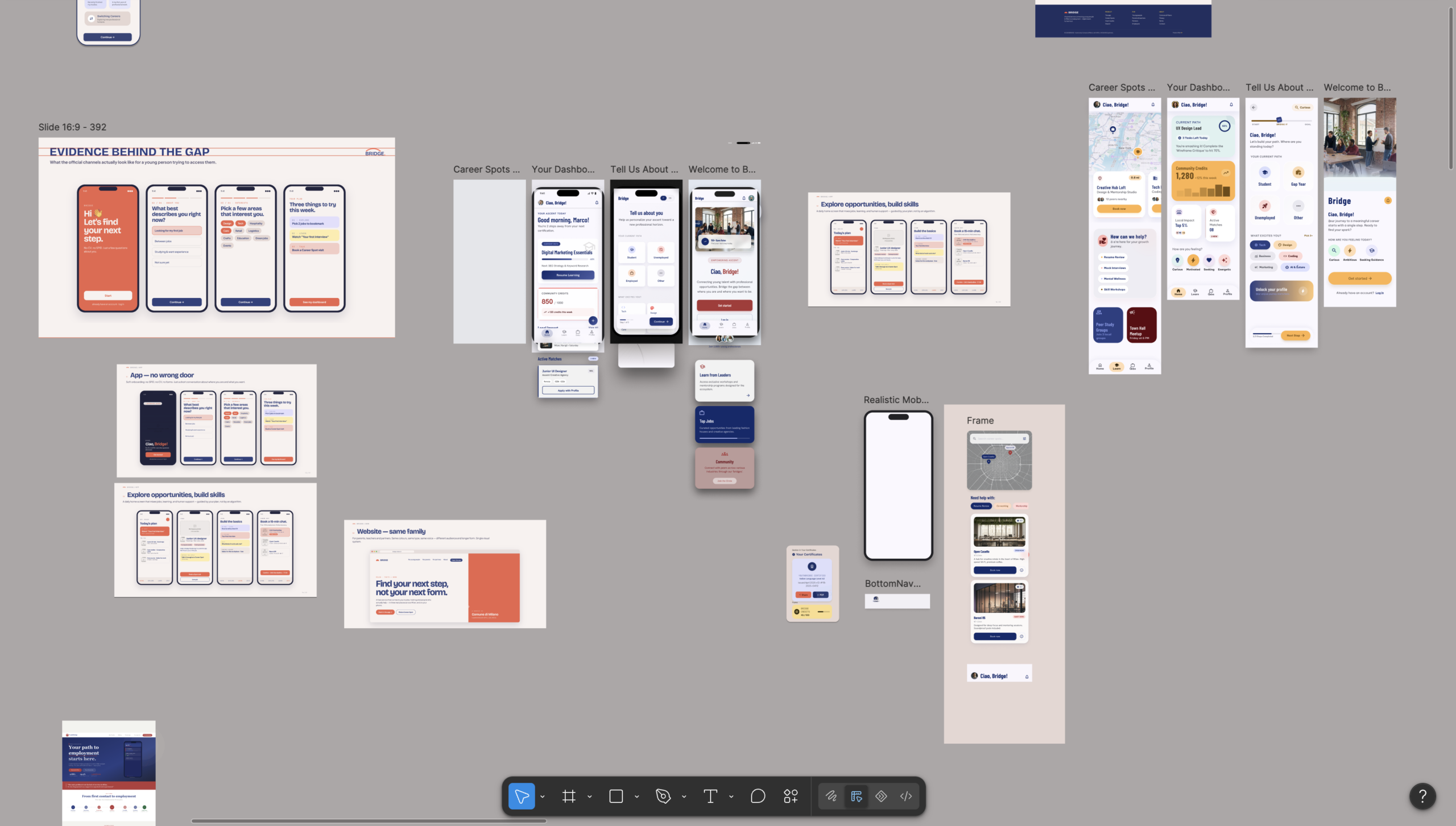
Editing them with figma
What I learned
I learned how to translate a complex public-service ecosystem into a clearer product-service experience. The project helped me connect research, stakeholder mapping, user journeys, digital interface design, and physical service touchpoints into one coherent system. It also showed me that employability services are not only about information, but about trust, continuity, and visible progress.
AI-assisted workflow
I used AI tools to support research synthesis, content structuring, interface copy exploration, and faster iteration of service scenarios and digital touchpoints. Final design decisions were based on the project research, user needs, and service-system logic.
Love This Project as much as I do?
I still have a few more lovely images, challenges, and solutions to share for Room to Breathe! Check back soon to see more 🙂
Thanks for Reading!
Check out more of my projects, or reach out if you want to learn more about this one!